

Wine Journeys
Europe's Vineyards, Cellars and Tables
Wine in Paris
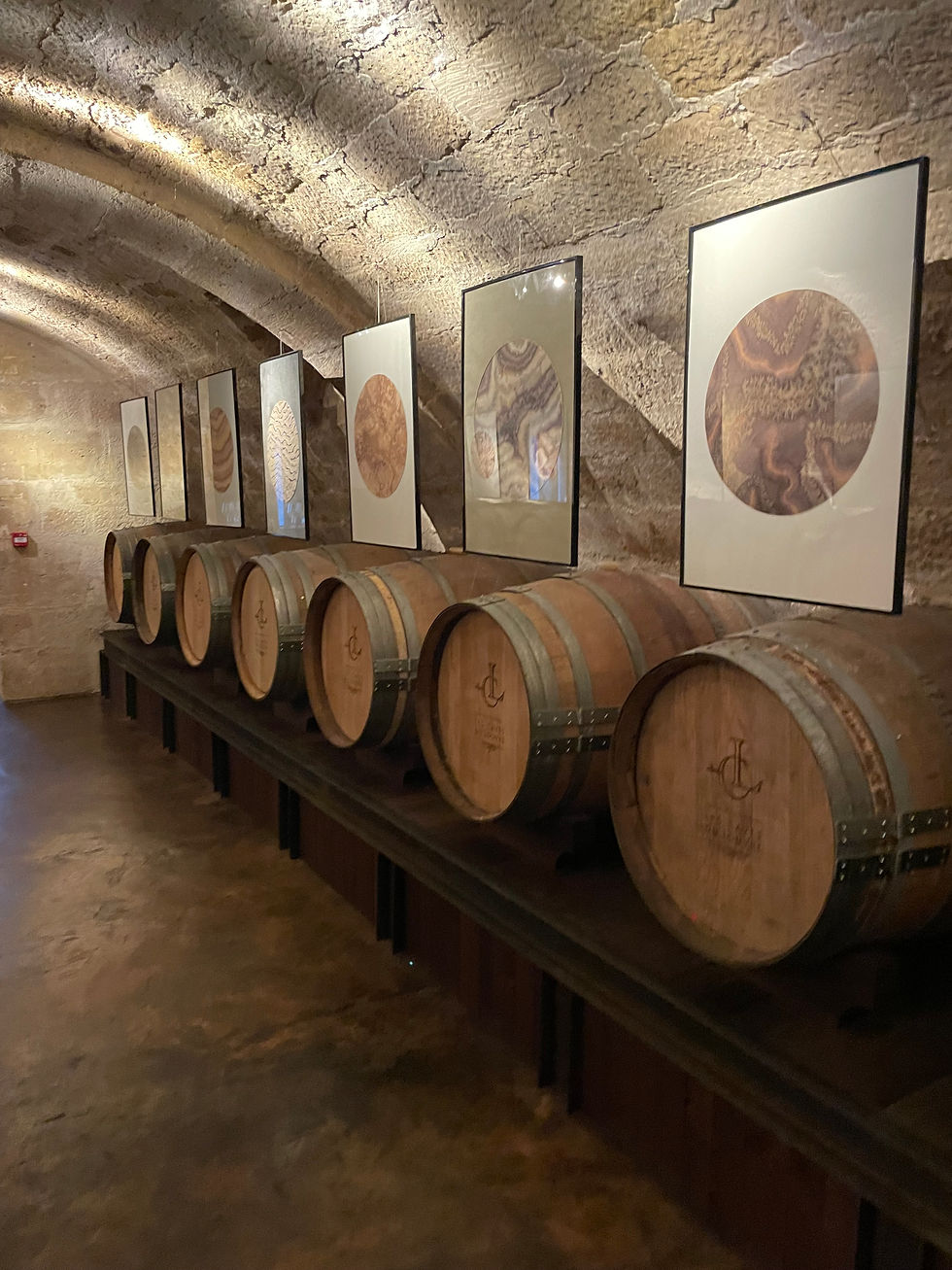
You don't have to leave Paris to begin your wine journey. Just steps from the Louvre, Les Caves du Louvre occupies the vaulted 18th-century cellars of the royal sommelier to the King of France. A tour leads through stone passageways lined with oak barrels, followed by a tasting of French wines and an introduction to the country's great wine regions, with blending workshops for those who want to create their own. It's a perfect way to start or end a trip through France's wine country.


Provence and the South of France: Wine, Art and the Mediterranean
Provence is the home of rosé, but the wine is only part of the story. I traveled this route myself from the Riviera to the Languedoc, and the fil rouge running through it is a way of life: long lunches, family estates, light that inspired painters, and towns where a glass of local wine before dinner is simply how the evening begins.
L'arrière-pays: the hill villages behind the Riviera. Just inland from Nice, the perched villages of Fayence and Seillans sit above vineyards and olive groves. At Château des Selves, a family estate run by the same family for generations, you'll taste Côtes de Provence rosé, red and white, along with their own olive oil. Nearby, the five-star Terre Blanche resort makes an elegant base, with spa, golf and sweeping views over the Provençal hills.
The Bandol coast. Along the coast, the colorful fishing port of Sanary-sur-Mer and the seaside town of Saint-Cyr-sur-Mer lead into Bandol wine country. A tasting at the Frégate estate, among vines overlooking the sea, introduces you to one of Provence's most respected wines.
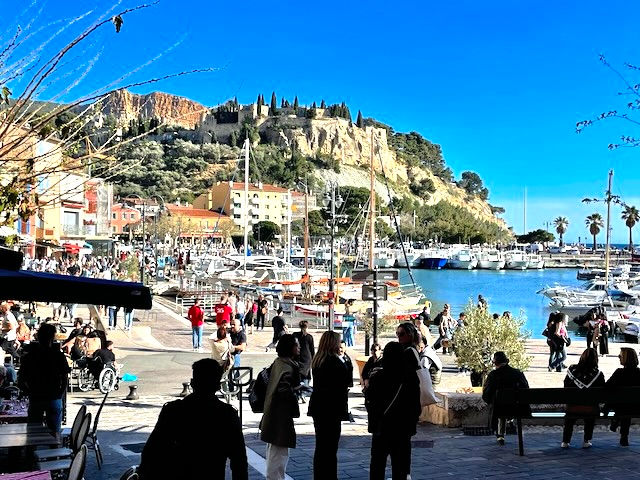
Cassis. Cassis is a little town with a big personality. Take a boat out to the Calanques, the dramatic white-cliffed inlets along the coast, then settle in at a local wine shop for a tasting of the town's crisp white wine, paired with a plate of charcuterie, before dinner. For the evening, La Brasserie du Corton, the more relaxed sister of Michelin-starred La Villa Madie, serves regional cuisine on a terrace overlooking the bay.
Saint-Rémy and the Alpilles. In Saint-Rémy-de-Provence, visit Saint-Paul-de-Mausole, where Van Gogh painted The Starry Night. Then spend an evening at the Carrières des Lumières in nearby Les Baux-de-Provence, where great works of art are projected across the walls of an ancient stone quarry. It's an experience you won't forget.
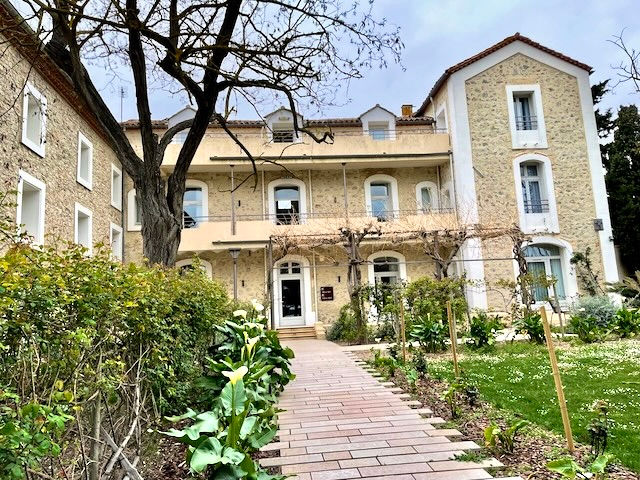
Into the Languedoc. Heading west, Château l'Hospitalet near Narbonne offers a memorable lunch and tasting at one of the most celebrated wine estates in the south of France.

Burgundy and the Jura: Grand Crus, Yellow Wine and Comté
Burgundy is where many of the world's most famous wines are born, and just to the east lies the Jura, one of France's best-kept wine secrets. I traveled through both on a journey that wound from the mountains to the Côte d'Or.
The Jura. In the Jura, the wines are unlike anywhere else in France. At a tasting in Arbois, you'll discover vin jaune, the nutty "yellow wine," and the rare vin de paille, or straw wine, made from local grapes like savagnin, poulsard and trousseau. Pair them with the region's Comté and Morbier cheeses and its famous Morteau sausage, and you have one of France's great food and wine traditions. Nearby, the elegant river town of Dole, birthplace of Louis Pasteur, and the Royal Saltworks of Arc-et-Senans, a UNESCO World Heritage site, round out the visit.
Dijon and the Route des Grands Crus. From Dijon, the old capital of the Dukes of Burgundy, the famous Route des Grands Crus runs south through a narrow ribbon of vineyards and villages whose names appear on the world's great wine lists: Gevrey-Chambertin, Clos de Vougeot and Vosne-Romanée. In Vosne-Romanée, lunch at Hotel Le Richebourg with a tasting from Domaine Mongeard-Mugneret, a family estate going back eight generations, followed by a walk through the vineyards, is an unforgettable afternoon.
Beaune and Meursault. Beaune is the capital of Burgundy wine, with its beautiful old town and the Hospices de Beaune, famous for its colorful glazed-tile roof. Stay at Hôtel Le Cep, a charming historic hotel in the heart of the old town, just steps from the Hospices. From there, taste the great white wines of Meursault in centuries-old cellars, cycle the Voie des Vignes vineyard trail between villages, and dine by candlelight deep in the historic cellars of Patriarche.


Normandy: Cider, Pommeau and Calvados
Normandy trades grapes for apples, and its orchards produce some of France's most distinctive drinks. On an AmaWaterways Seine river cruise, I took an excursion to the Distillerie Busnel in Cormeilles, in the heart of the Pays d'Auge, for a tour of its half-timbered buildings and a tasting from lightest to strongest: crisp sparkling cider, both dry and sweet; poiré, a delicate sparkling pear cider; pommeau, a blend of apple juice and Calvados aged in oak and served chilled before dinner; and finally Calvados itself, the smooth apple brandy that's sipped as a digestif.
Paired with Normandy's famous cheeses, like Camembert, Livarot and Pont-l'Évêque, it's a delicious complement to the D-Day beaches or the timbered villages of the Pays d'Auge, and a Seine river cruise is one of the easiest ways to enjoy it all.


What I Can Arrange
-
Private château and estate visits and tastings
-
Wine-paired lunches and dinners, from village bistros to Michelin-starred tables
-
Luxury hotels, wine estates and resorts as your base
-
Private drivers, so no one has to choose between tasting and driving
-
River cruises with wine and spirits excursions, and regional wines served with dinner onboard, so you taste your way through each region as you sail
-
Wine days in Bordeaux and Chablis through trusted local specialists
-
Art, history and village visits woven in along the way
Every journey is planned around you, with the savoir-faire that comes from having been there myself.
Why Travel for Wine?
Wine is the most delicious way to understand a place. Every bottle carries its landscape, its climate and the family that made it, and tasting it where it was born, with the people who made it, is something no restaurant at home can give you.
A wine journey also sets the pace for a trip worth taking: long lunches, quiet villages, a private driver so no one has to choose between tasting and driving, and evenings that end at a table rather than a tour bus. I plan the estates, the tables and the places to stay, from family domaines to Michelin-starred dining, with the art, history and villages woven in along the way.
Intrigued? Let's do it!